
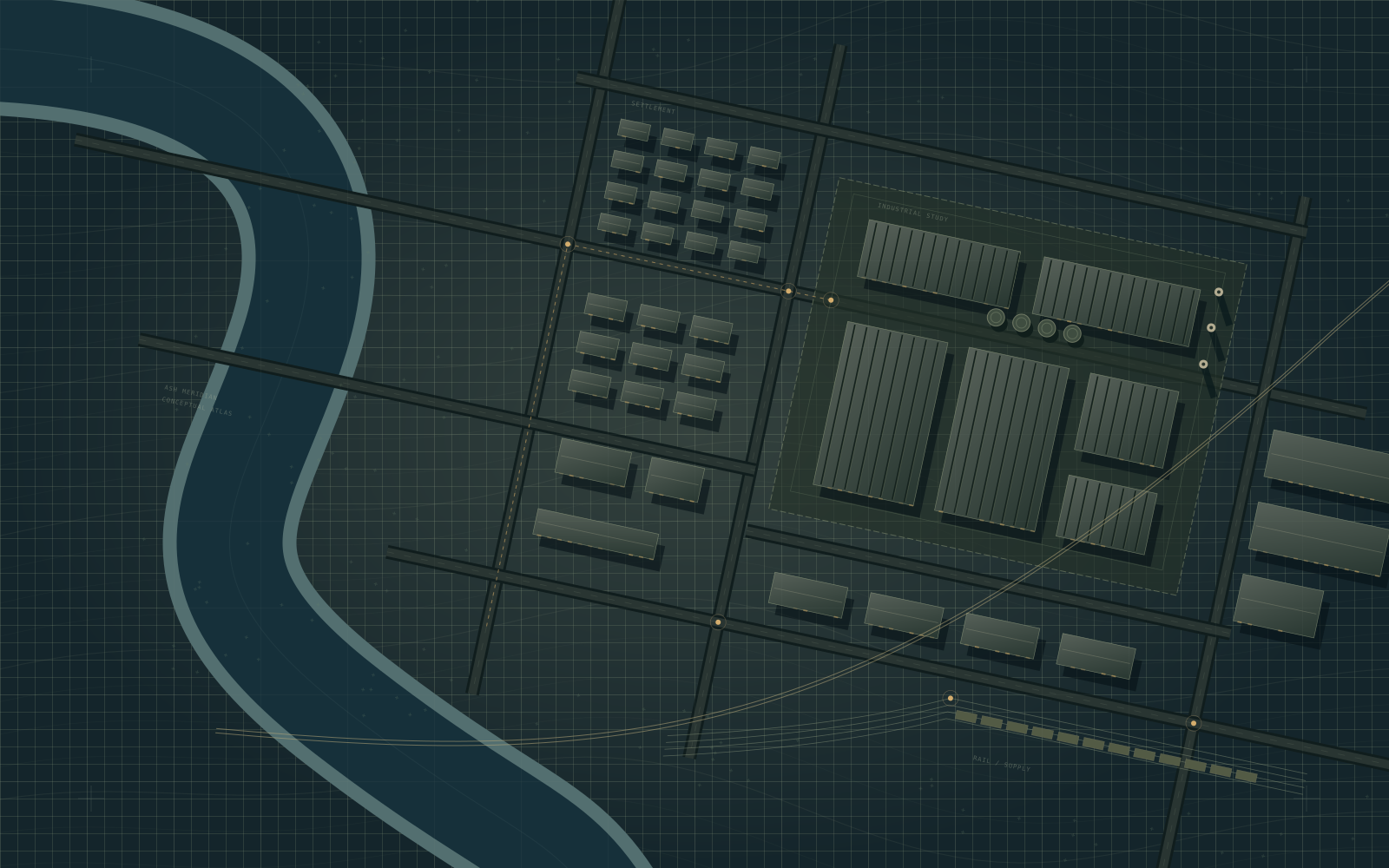
The Soviet factory.
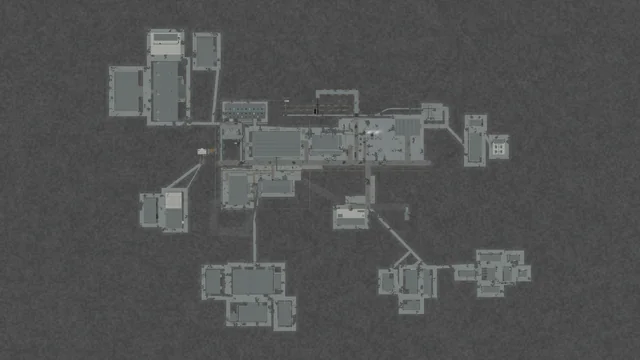
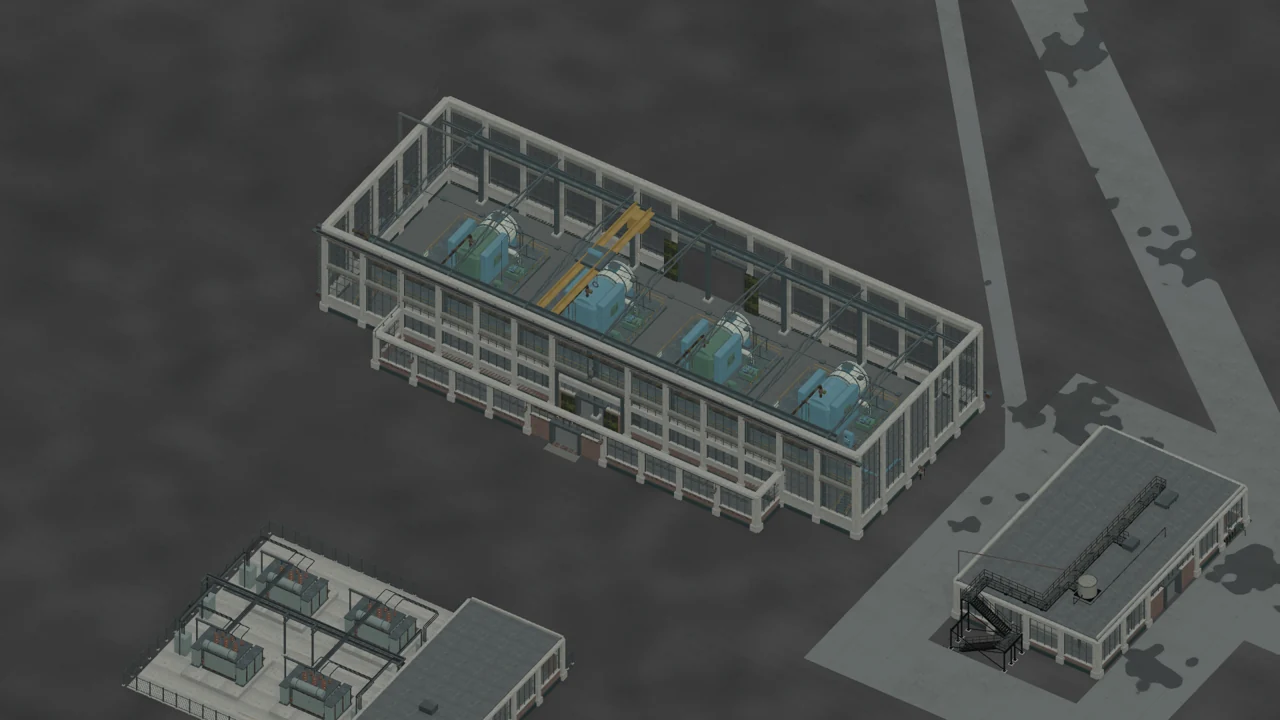
Assembly halls fill the left of the frame. Two stacks and a pair of cooling towers mark the power plant on the right. The site plan shows how the workshop yards and outlying buildings fit together.
 ASH
INDUSTRY. PEOPLE. CONSEQUENCES.
Every choice
has a price.
A detailed industrial and military simulation. Follow a worker to the factory, a heat line to a home, or the drive from crankshaft to track.
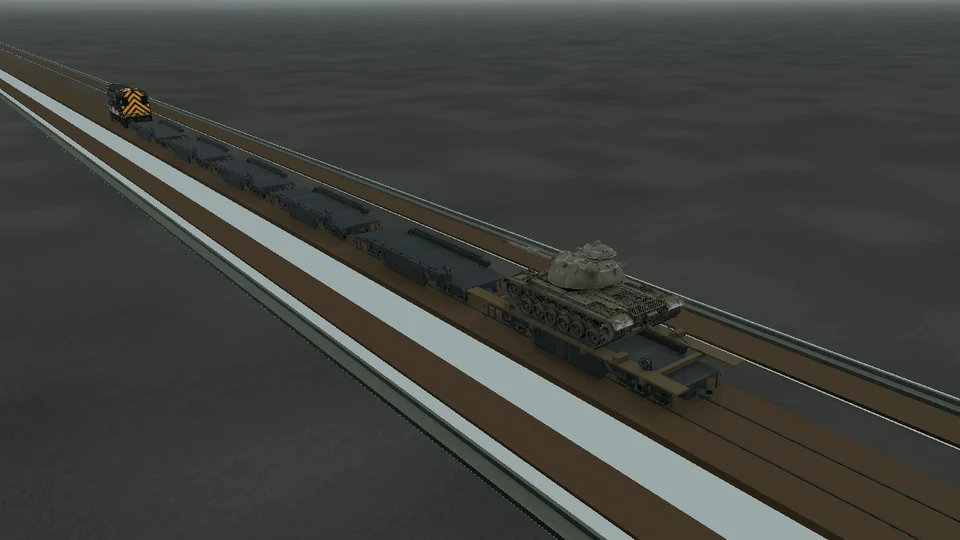
Try it yourselfRecordings from the project’s Unity builds. Follow a hull through assembly, see the tank climb onto a flatcar and ride the train beyond the factory.
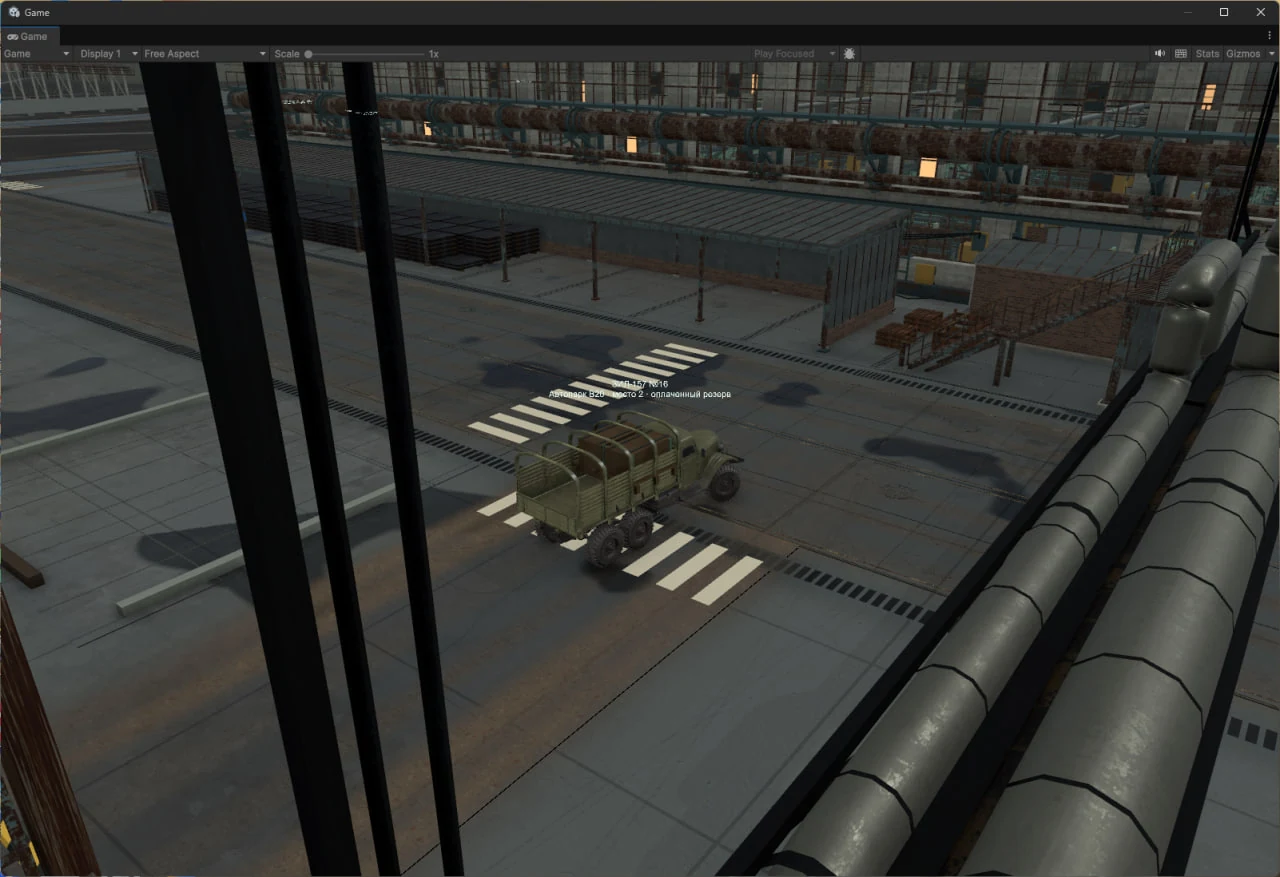 01 / LOGISTICSSupply mission
Build a vehicle, deliver three crates and bring it home.
↗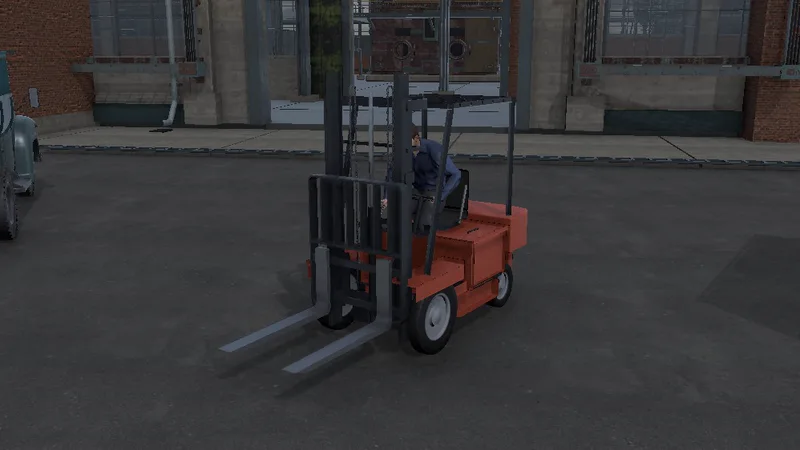 02 / DISPATCHDispatch shift
Two crews need parts. Decide which kit goes on the truck first.
↗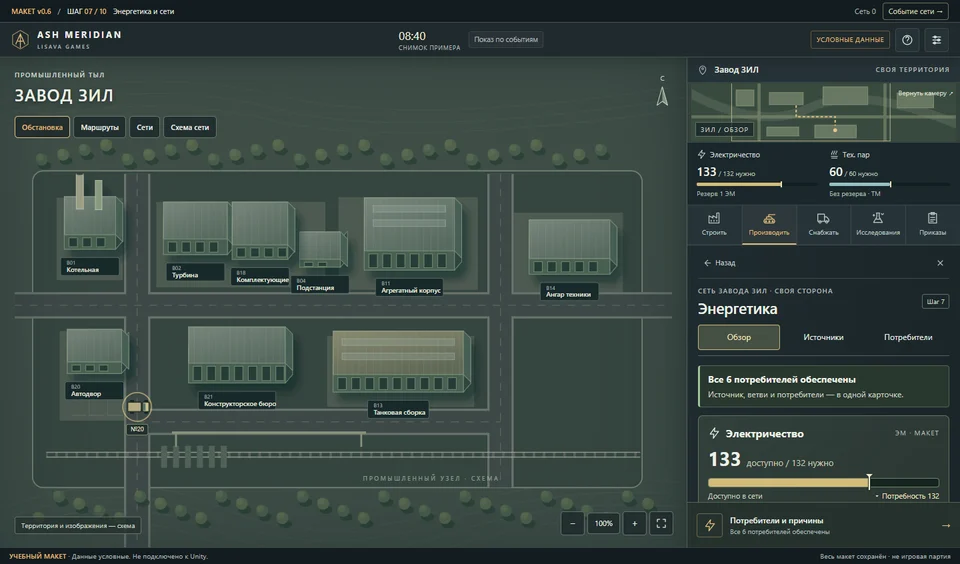 03 / ZIL · RUZIL power network
Change the load on the factory network and watch the workshops respond. Original prototype in Russian.
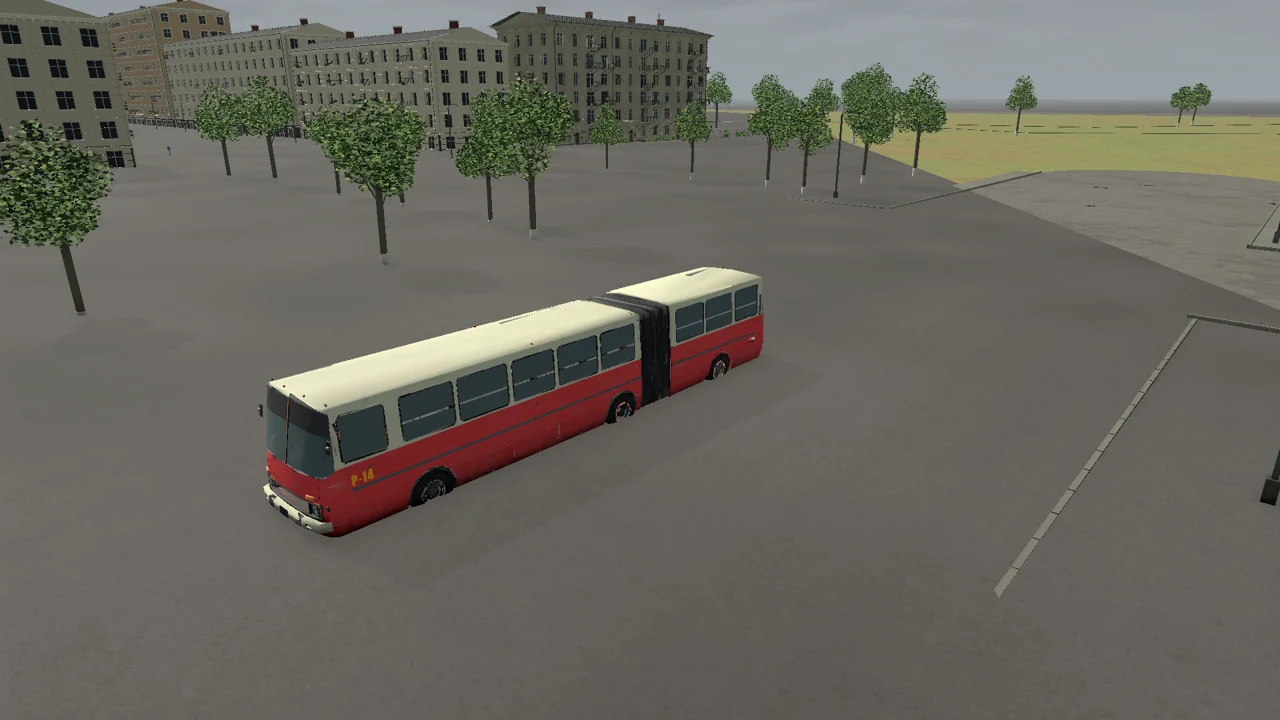
↗A boiler feeds a turbine. A bus brings a shift to the gate. Follow both routes to the assembly hall and see what happens to the homes around it when power is short.
Who gets the last 70 kW? Compare three days of factory records →INSIDE THE SIMULATION
At 07:00, 200 people are on the way. At noon the assembly crew leaves its posts for a 20-minute meal.
20 → 9.95 °CWith the boiler stopped and the power feed limited, the temperature in housing block B26 fell to 9.95 °C in eight simulated hours.
IMPACT TESTThe hit disabled powered turret rotation. The gunner could no longer aim and the wounded commander could no longer speak. The driver could still move the vehicle.
0 → 80 → 800 RPMThe starter turns the crankshaft before fuel ignites. At 8.03 seconds the engine holds 800 rpm and the oil pressure reads 2.50 bar. Watch the factory test.
First, light in the workshop.
Then, people at the machines.
Only then, steel on the battlefield.
At 07:00, 200 people are still on the way to the factory. At noon the assembly crew has 20 minutes for lunch. The workshop counts labour when workers reach their assigned posts. At home, indoor temperature keeps changing as the heat supply rises or falls.
Compare the district generator, recorded factory shifts and individual vehicle tests in the field notes.
Discover the connectionsChoose a vehicle. Issue an order. Follow a research idea into work on a particular machine.
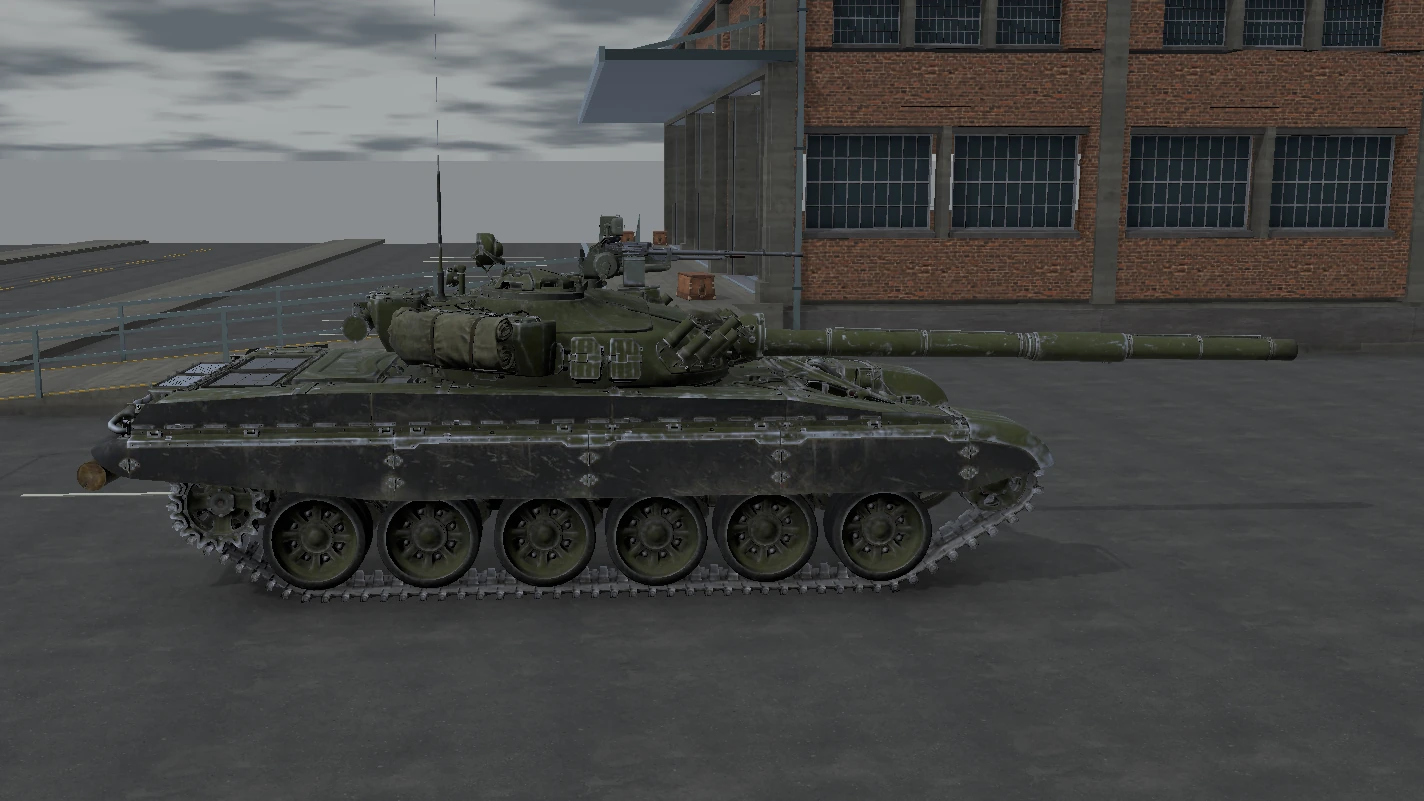
Select a vehicle. Change the view. Inspect each marked assembly.
Enter the hangar↗Choose a destination. Check the route. See what a blockage changes.
Open the operations table↗Explore a solution. Prepare a kit. Apply it to one vehicle.
Follow the development↗Interactive system sketches and project image inspection. These scenes introduce the game’s design.
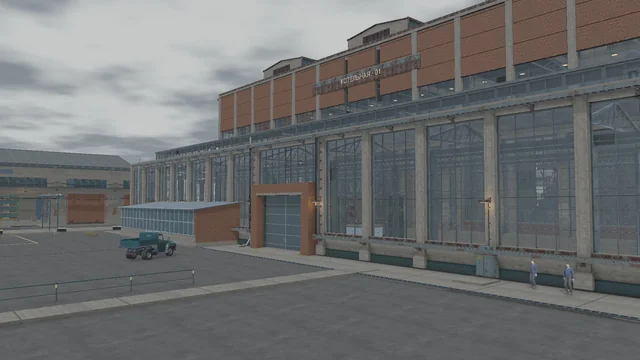
Photos from the ZIL factory project.
See the whole factory on the plan ↗Assembly halls fill the left of the frame. Two stacks and a pair of cooling towers mark the power plant on the right. The site plan shows how the workshop yards and outlying buildings fit together.
Beyond the factory gate, another shift begins. Homes, streets and everyday lives give this industrial world a scale that cannot be measured in machines alone.
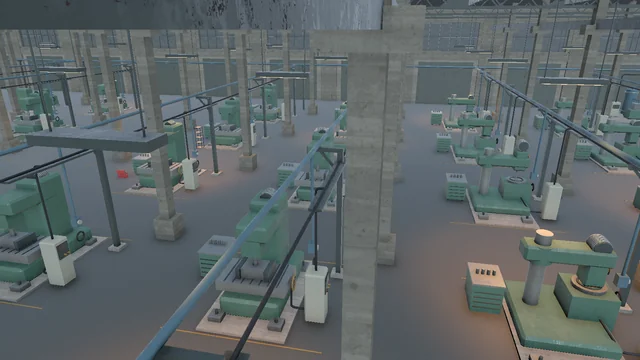
HOMES / STREETS / EVERYDAY LIFERows of machine tools run between the columns of B10. From the aisle you can see the workstations, overhead lighting and the space around each machine.
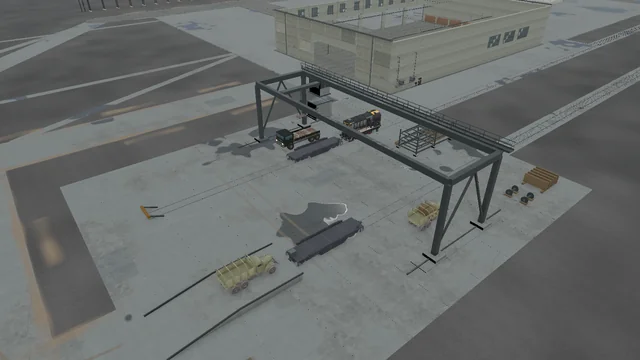
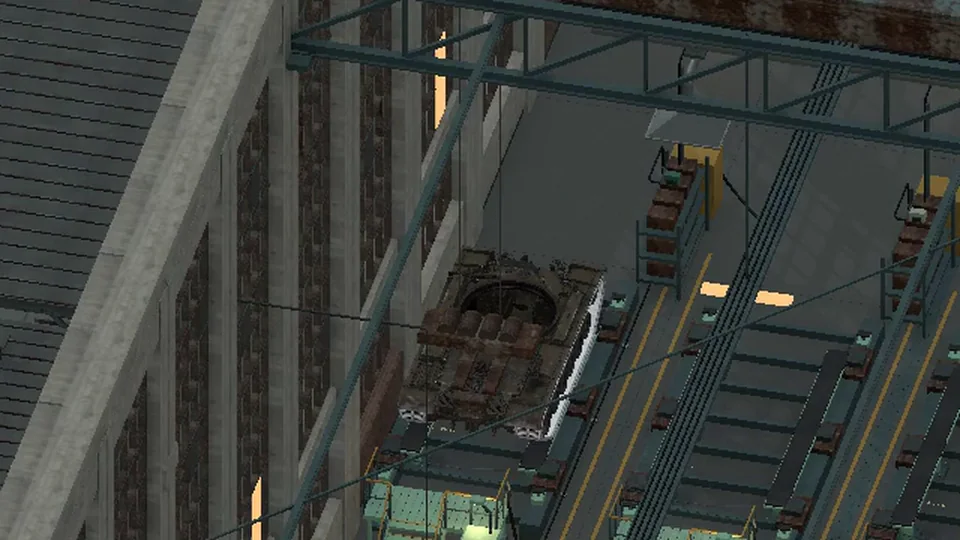
B10 / MACHINE TOOLSThe gantry spans the apron beside the tracks. A truck can pull alongside a flatcar here so its load can make the next part of the journey by rail.
B19 / CRANE AND SIDINGSSilhouette, hull, running gear, equipment. The wider picture gives way to individual details. We want vehicles to have a tangible story, from their creation to their work and return.
STRUCTURE / COMPONENTS / CONDITIONA work shift. A driver in a cab. A crew behind armour. People give this entire chain its meaning. Through them, decisions carry weight and consequences become understandable.
WORK / CREW / CONSEQUENCESEvery result has a source, a cost and a journey.
Follow the story of one machine.
A machine begins with ore, energy and human effort. It must be assembled, equipped, fuelled and delivered. After the battle, you must decide what can be recovered.
AN EXAMPLE: THE JOURNEY OF ONE MACHINEExtraction → transport → storage
Processing → metal → components
Hull + components + labour
Crew + fuel + ammunition
Route + transport + time
Combat → consumption → condition
Recovery → inspection → repair or dismantling → return of vehicles and usable components
В этом примере машина проходит весь путь: материалы поступают в производство, цеха создают детали, сборка соединяет их, экипаж получает подготовленную технику. Доставка связывает этот труд с действиями на карте.
Выберите сбой выше и посмотрите, какая связь меняется.
An illustration of the game’s design. This explains cause and effect; it is not a recording of a working match or a calculation of game balance.
The vision for General AI:
scout, isolate, apply pressure.
The enemy must gather information too. Reconnaissance reveals the positions of forces and their routes. Decisions should follow what has been discovered, while hidden movement preserves uncertainty.
An attack on supply forces a choice: hold a position, defend the road or find a detour. The outcome can change far from the main engagement.
Exploit an opening, assess the outcome and gather strength for the next move. The pause between attacks offers a chance to restore connections or seize the initiative.
This is how we are designing the opponent. Verified game episodes will be shown in development materials.
A shared foundation: industry,
supply and the price of decisions.
Game modes are in development.
The world remembers your decisions. In the campaign design, infrastructure, losses and obligations persist between operations. A damaged road needs restoration, people are finite, and the next task starts from remaining forces and available routes. The story reveals the human cost of orders through the people carrying them out.
Campaign: story, world and consequences ↗Test your plan against General AI. Our aim is a demanding opponent that scouts, finds vulnerable connections and exploits breakthroughs. Read the situation, protect supply and choose when to take the offensive. Reconnaissance, attacks and regrouping create the rhythm of a standalone battle.
General AI, Brutal and match conditions ↗Compete for initiative, supply and the ability to preserve forces. The design allows asymmetric maps checked against actual play opportunities. Campaign upgrades do not carry into a match; ranks, achievements and cosmetics are intended to provide no combat bonuses.
PvP: starting conditions, maps and progression ↗This direction has its own chapter. You can already play a demonstration mission on this site: produce a vehicle, deliver three crates and bring it home. Six decisions, finite stock and a cost report explain the principle of nothing coming from nothing. The full game Challenge rules still need current project material.
The challenge and a playable example ↗Mode availability, testing arrangements and the release feature set will be announced separately.
From the factory programme to an order on the terrain. Systems, modes and the world, with requirements, decisions and consequences.
Images of the 3D prototype.
From a panorama to a single detail.
Original images from the project archive. The build and capture source are still being verified. Open any image to see the complete frame.
Images for this topic are still being selected. Available images can be explored in the other gallery categories.
Wide views / factory / vehicles / peopleFOLLOW THIS WORLD AS IT TAKES SHAPE.
New game materials, a closer look at development
and a conversation about the game we are making.